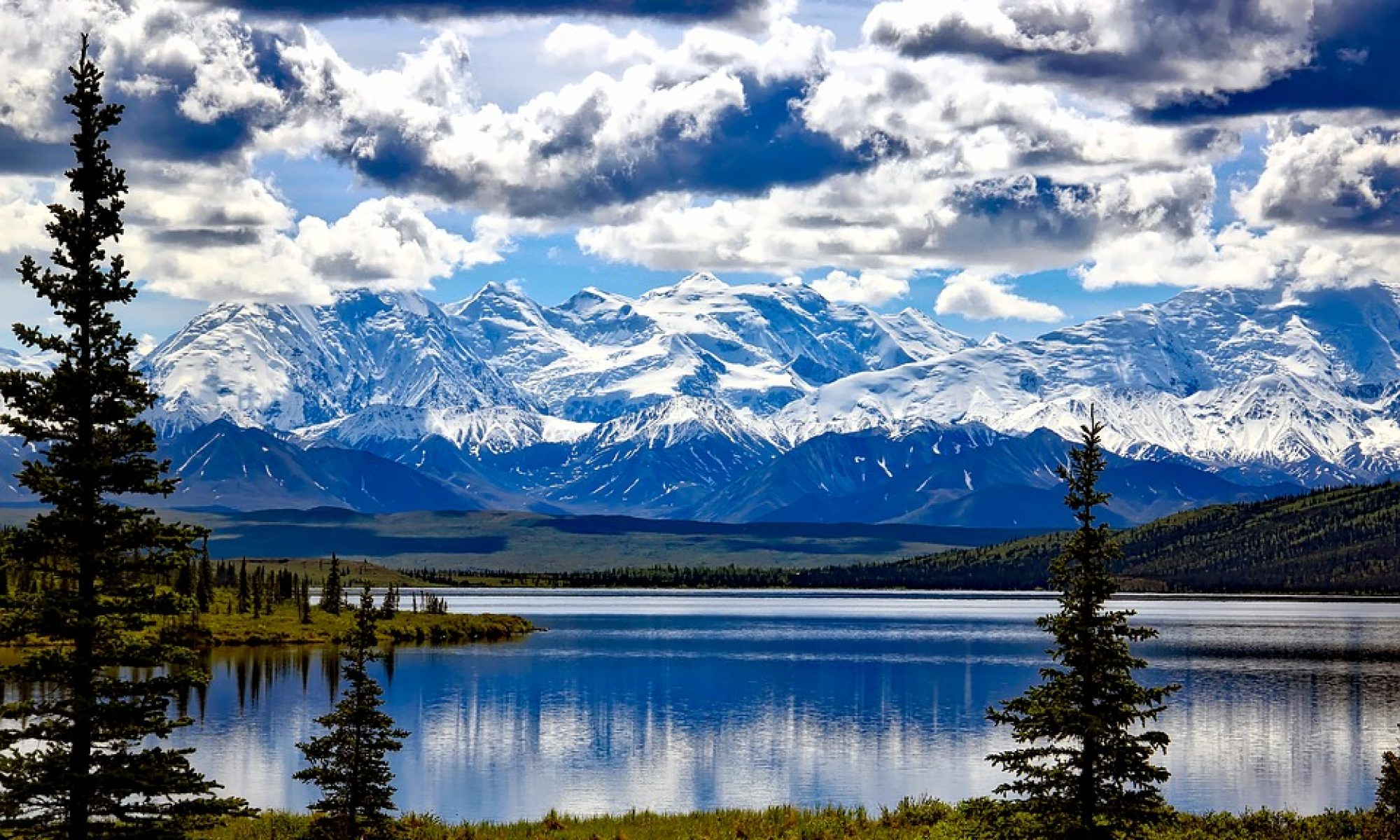
On March 30, 1867, the United States purchased a a huge plot of land in the far northwest. This land was bought by the United States Secretary of State William Seward. Many people believed the purchase to be a bad idea and disagreed with Seward, so it became nicknamed “Seward’s Folly”. However, Alaska has turned out to be a great purchase for the U.S, giving us many natural resources, a strategic area, and a beautiful state. It wasn’t until January 3, 1959, that Alaska was recognized as the 49th state. Alaska started out as everyone disagreeing with the purchase of it, to hundreds of thousands of people traveling to it every year.
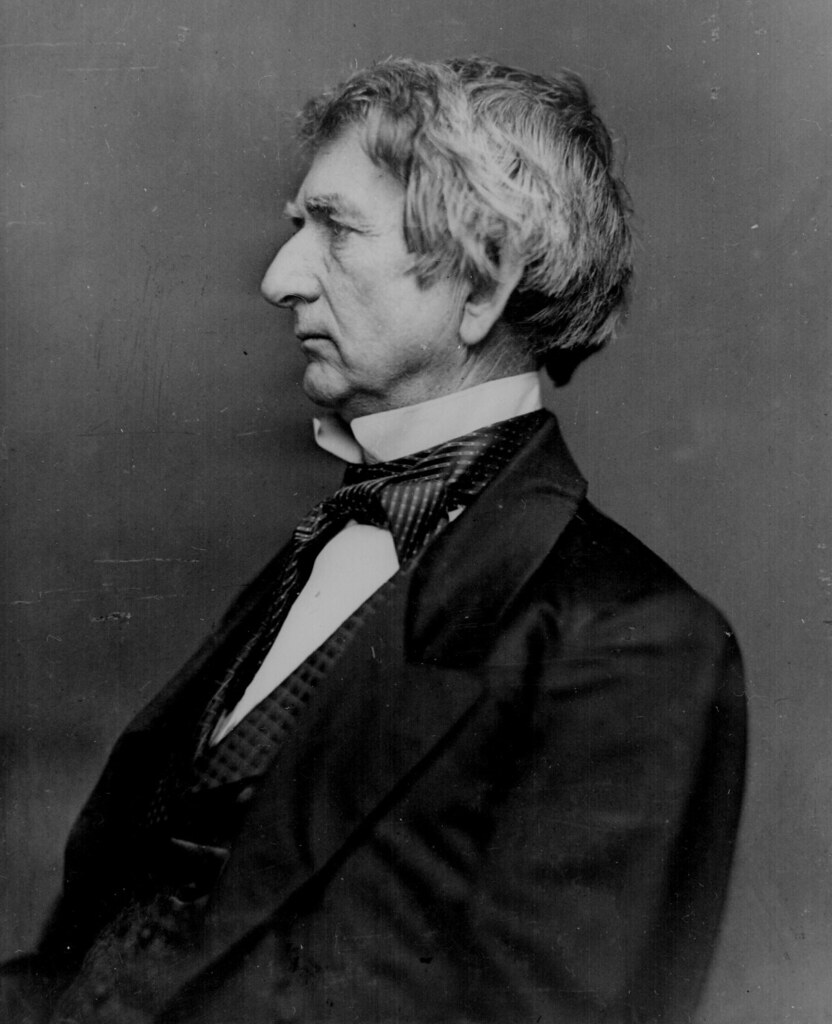
William H Seward
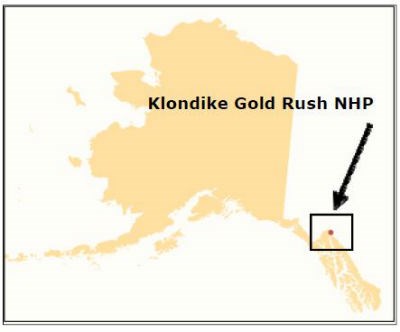
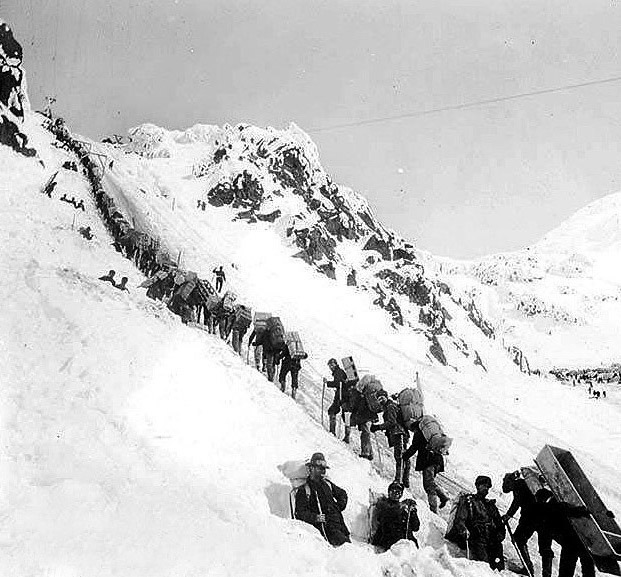
The first thing to draw people to Alaska was the gold rush. The Klondike gold rush started in the summer of 1897. The gold rush began when two ships return to the west from Yukon containing gold. When people learned about the wealth they could make, thousands traveled to the Yukon. Today you can still go and visit the area of the Klondike gold rush, particularly the town of Dawson in the Yukon Territories. While there you can try to pan for gold, giving you a feel for history.
Until the 1920’s one of the biggest methods of transportation in Alaska was mushing, also known as dog sledding. The roots of mushing link back all the way to Eskimos of the 15th century. However, this mode of transportation has dwindled to just a few natives using it to hunt and travel in remote villages. Despite the smaller number of mushers, every March the Iditarod, an international dogsledding race from Anchorage to Nome is held and everyone loves to go and watch it.
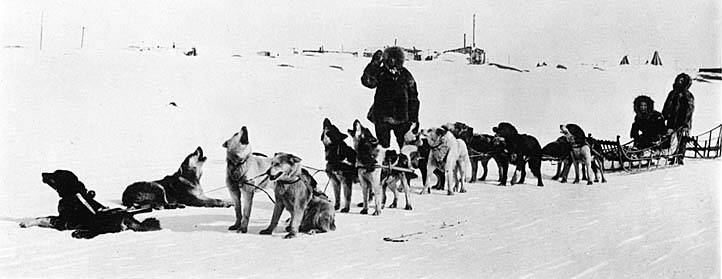
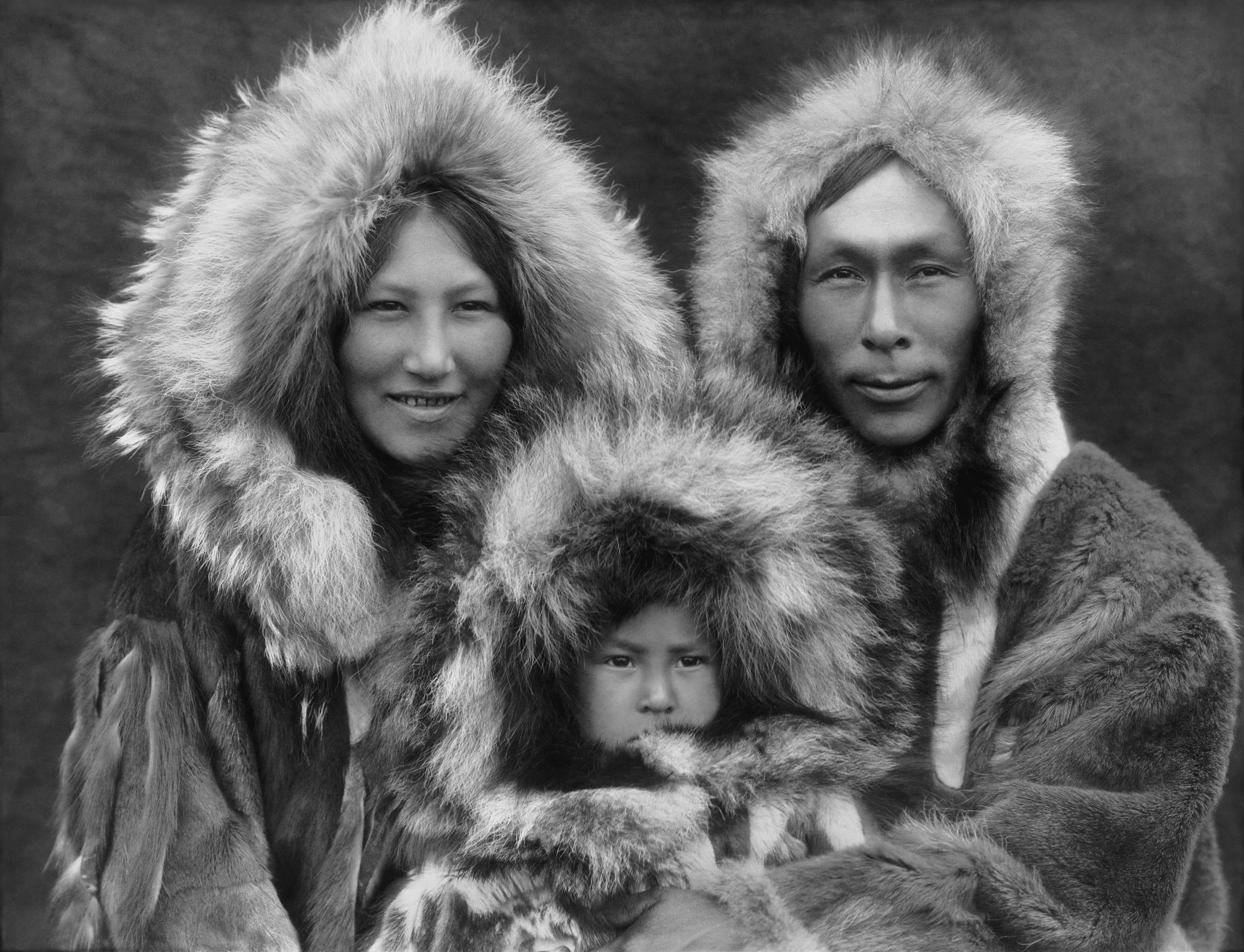
These and other elements from the past have contributed to a major part of Alaska, the unique cultural heritage. In the past Alaska was home to many traditions such as whaling, hunting, fishing, and old ways of making crafts and art. Fortunately, these traditions all haven’t vanished, approximately 15% of the population are natives who still carry out these traditions. You can find the culture and heritage history in Ketchikan, Anchorage, Kotzebue, and hundreds of the diverse villages throughout Alaska. Many people in these areas still carry out traditional ways of living, subsisting and recreating.
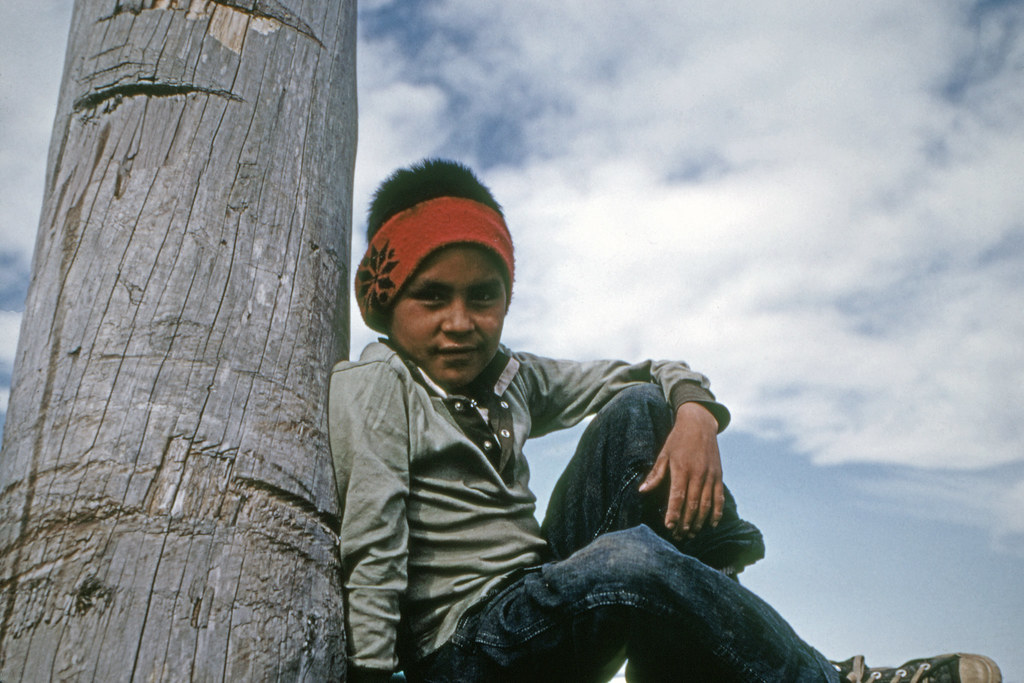
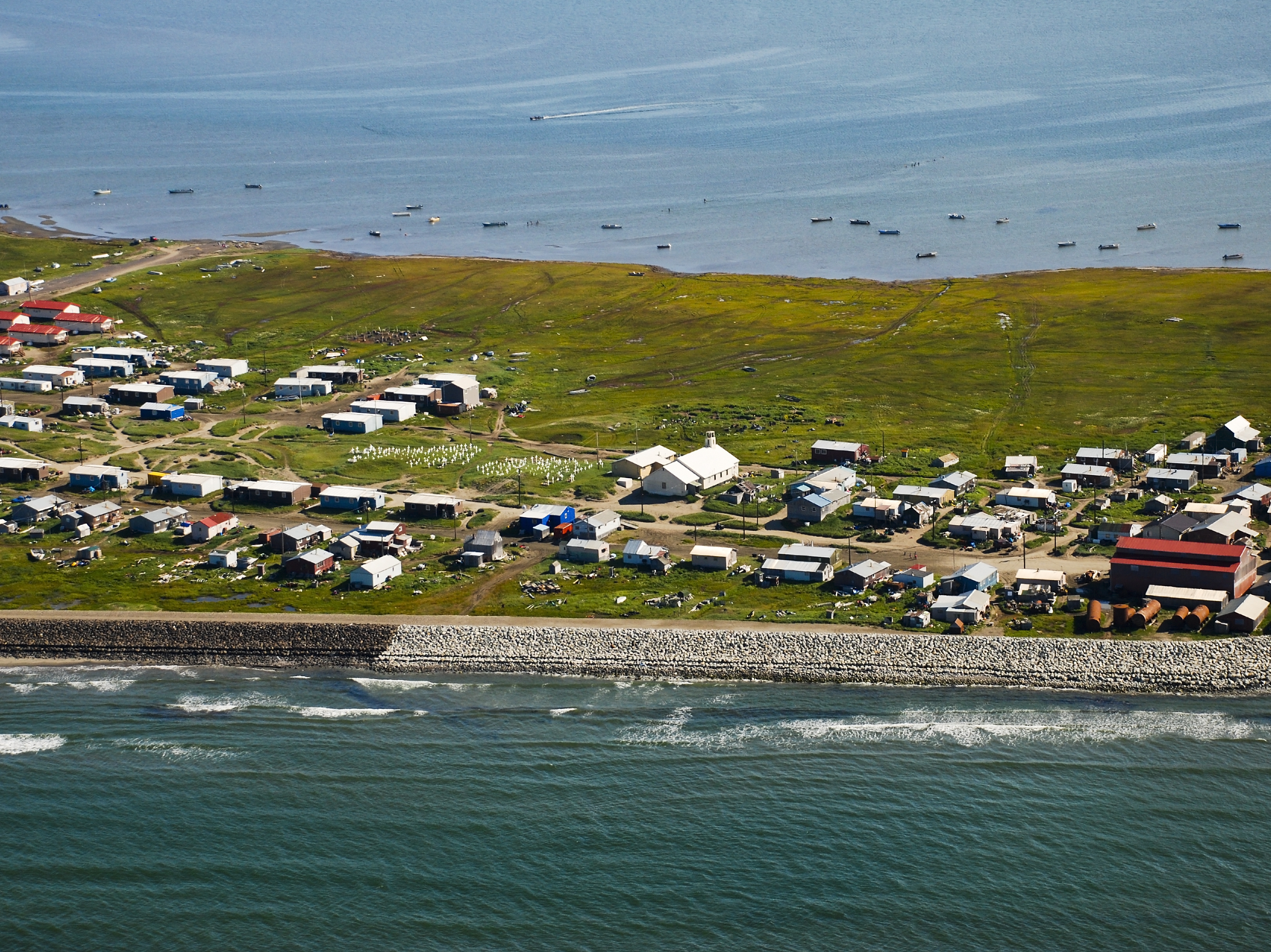
If you visit southeast Alaska you are most likely going to see a tall wooden pole with designs all over it. These are called totem poles and are symbolic representations of animals and humans. Each tribal family’s heritage can be found on the totem pole design. Each pole tells a different story or event and has to be read from the bottom up. The poles are built for reasons such as the entrance to a home, to show that someone owed them a debt, a memorial site, and for special occasions. The height of the pole is also very important, the taller the totem was a sign of wealth and power. These can be seen all throughout central and southeast Alaska where the Tlingit, Athabascan, and Haida tribes have lived.
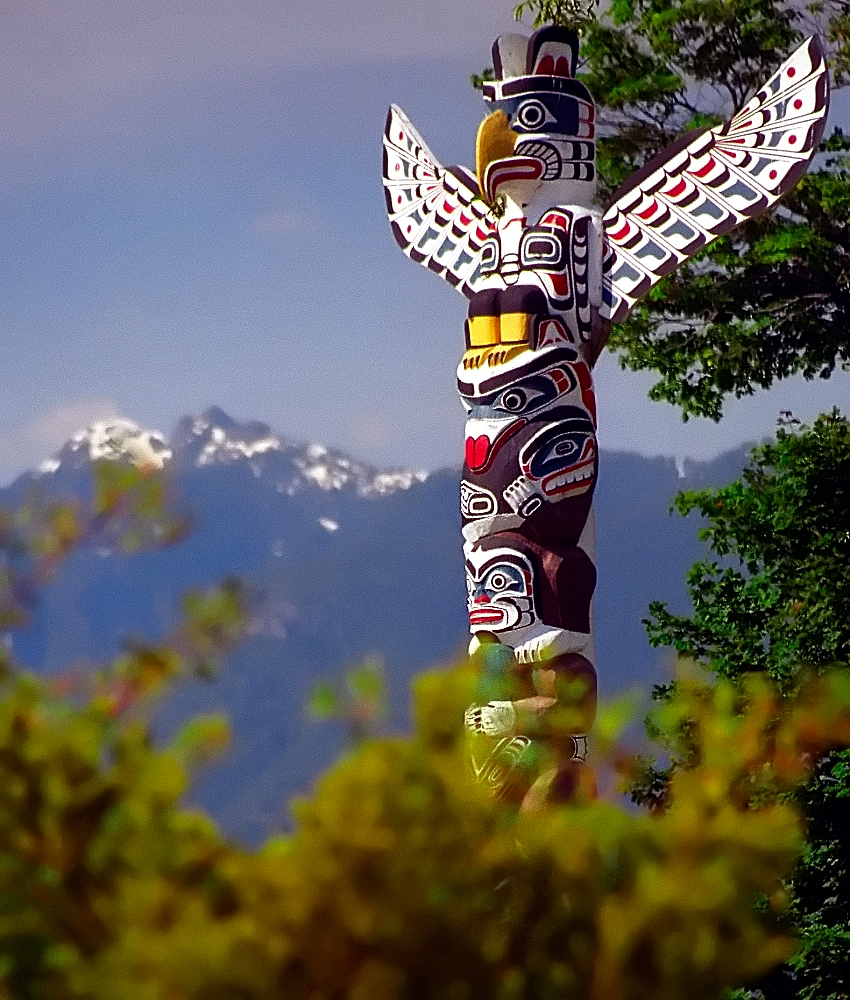
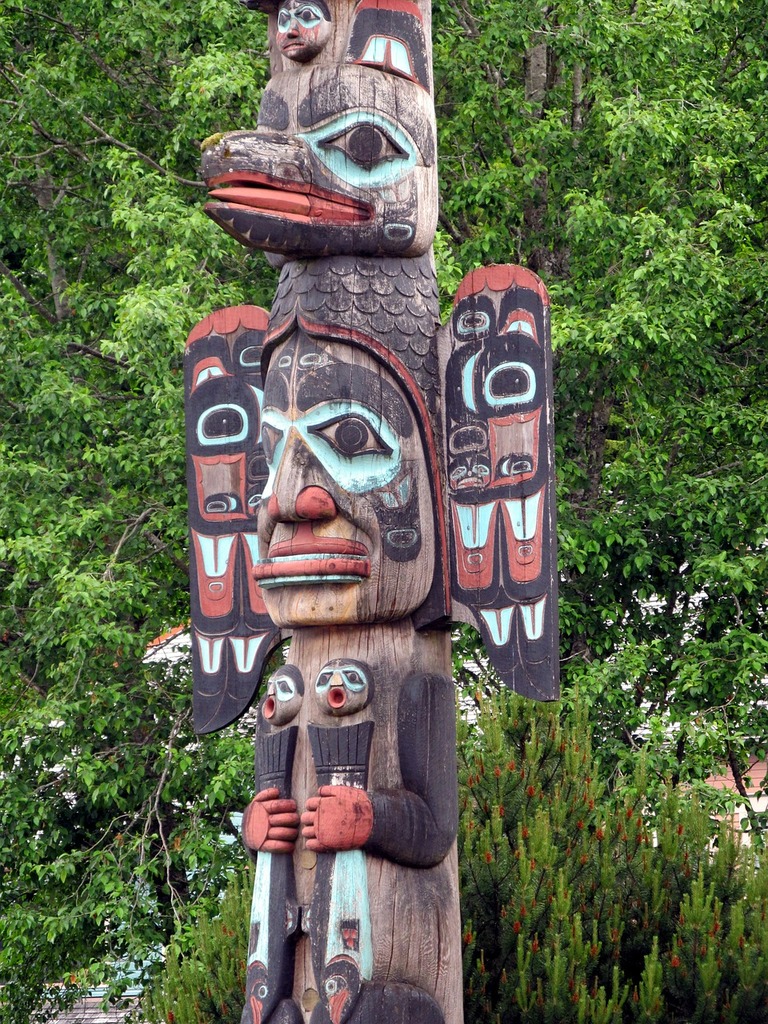
A very important part of the Native culture in Alaska is their art. Many different Native groups are known for their talents in carving and weaving while others are known for their drumming and dancing. When visiting Alaska anyone can experience performances of music and dance and see art in villages, museums, and galleries. One place to visit to see the culture is The Alaska Native Heritage Center located in Anchorage.
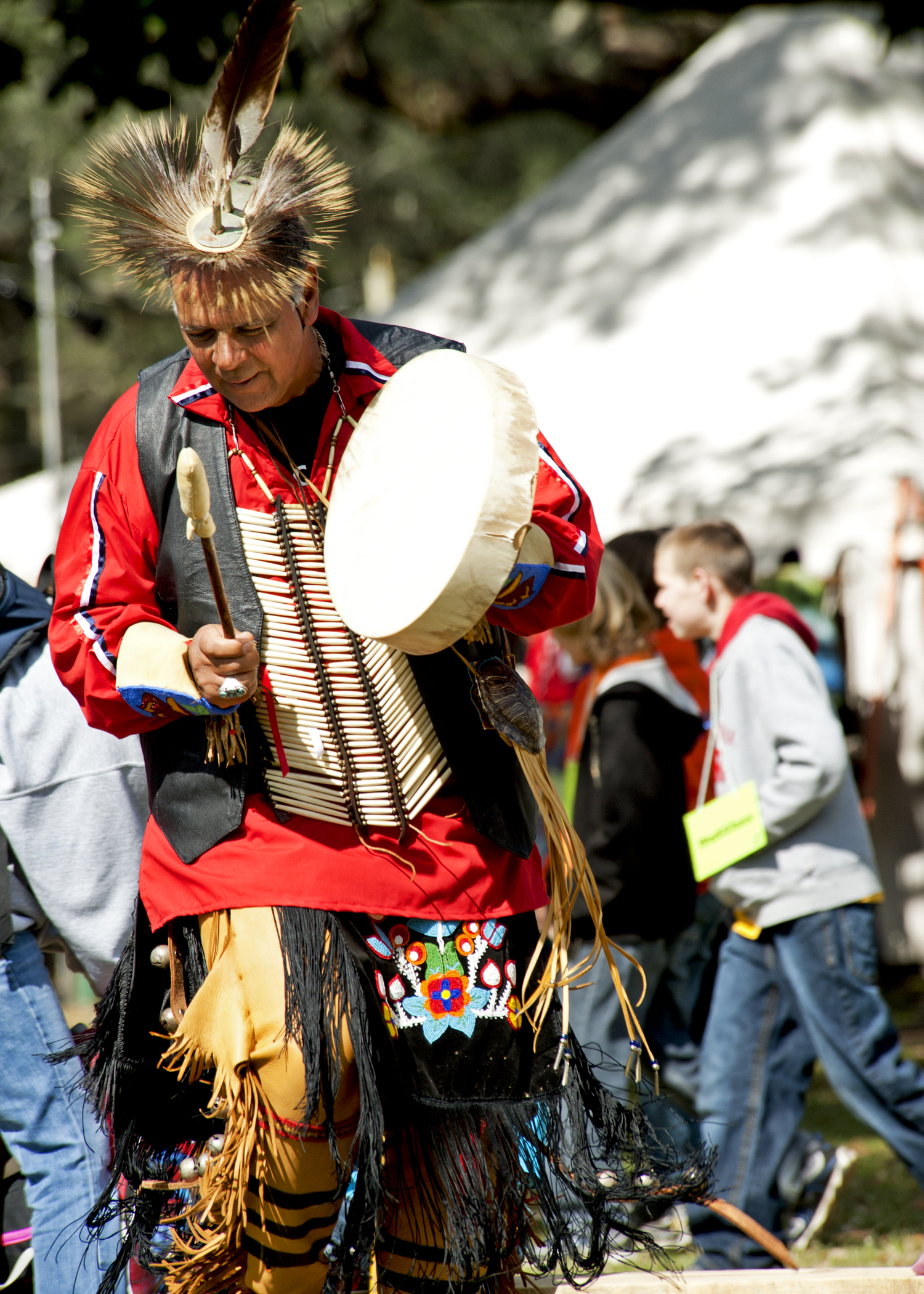
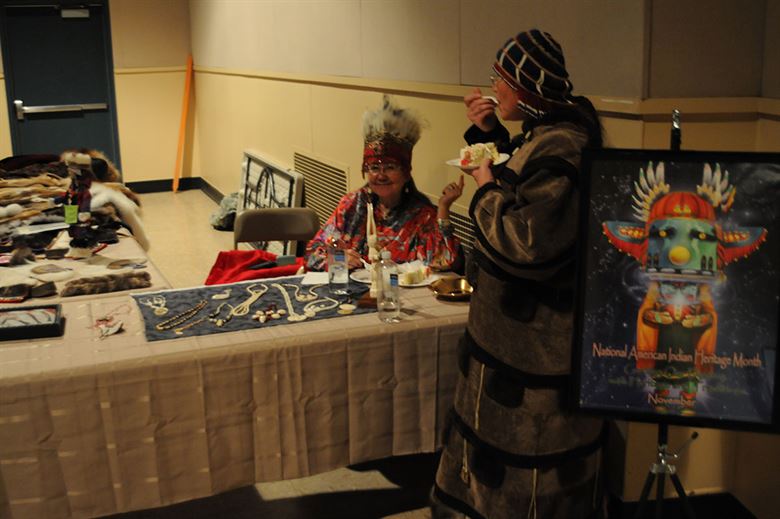
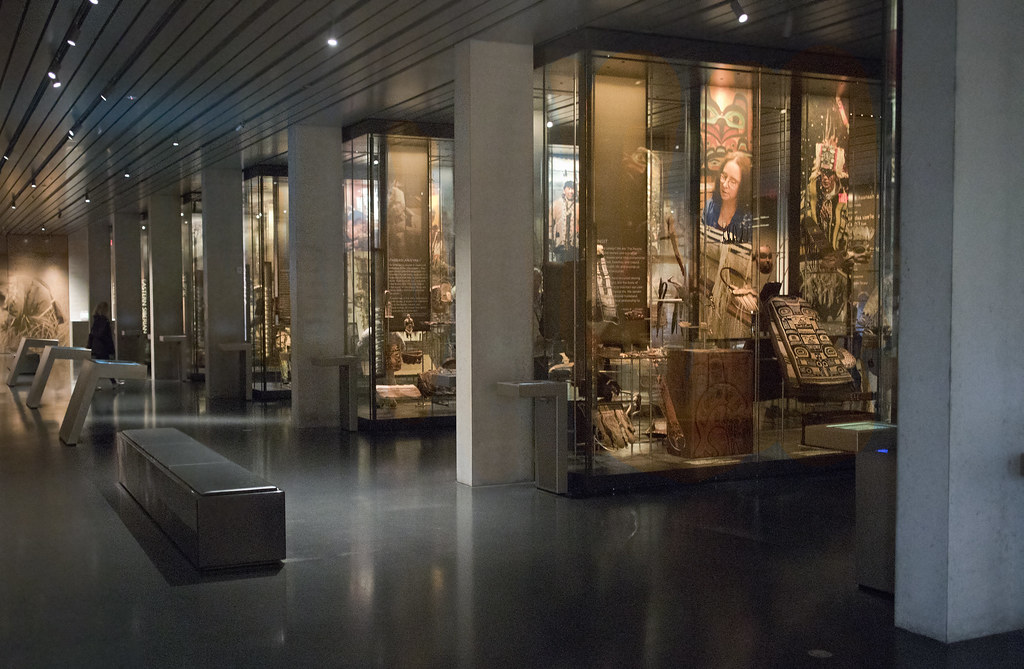
Alaska Native Heritage Center
 BacPac Mac